
Good trips start with a little preparation.
Find your destination, pick your month and arrive with the things you actually need. Practical packing guides and the details that are easy to forget.
Start planningExplore countries on the globe →
Explore our city guides
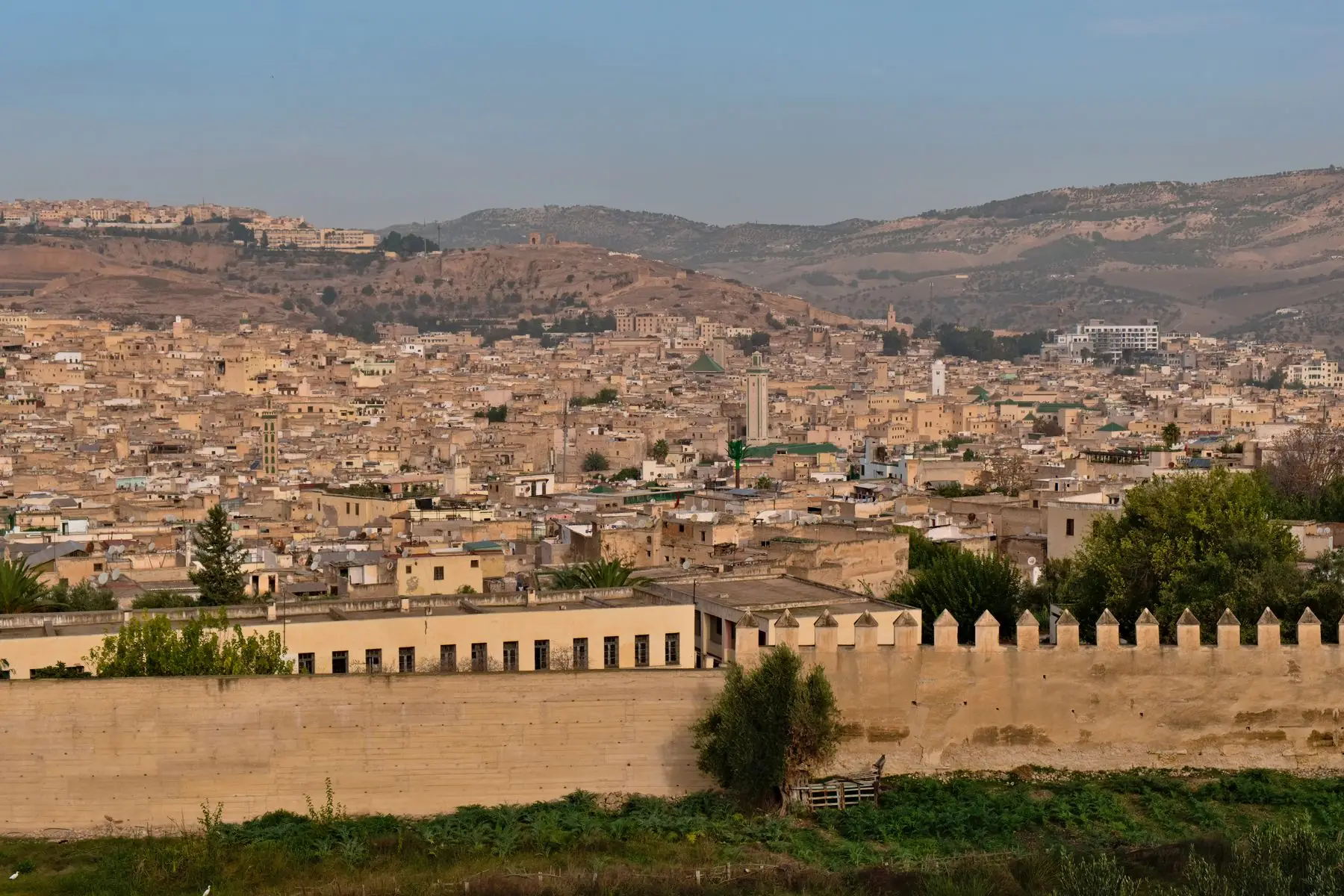
Fès
Summers are very hot and mostly dry. Winter mornings and nights are cold, with rain possible; spring and autumn usually offer gentler walking weather. Fès is inland, so a warm afternoon can still end with a cool evening.
Open city guide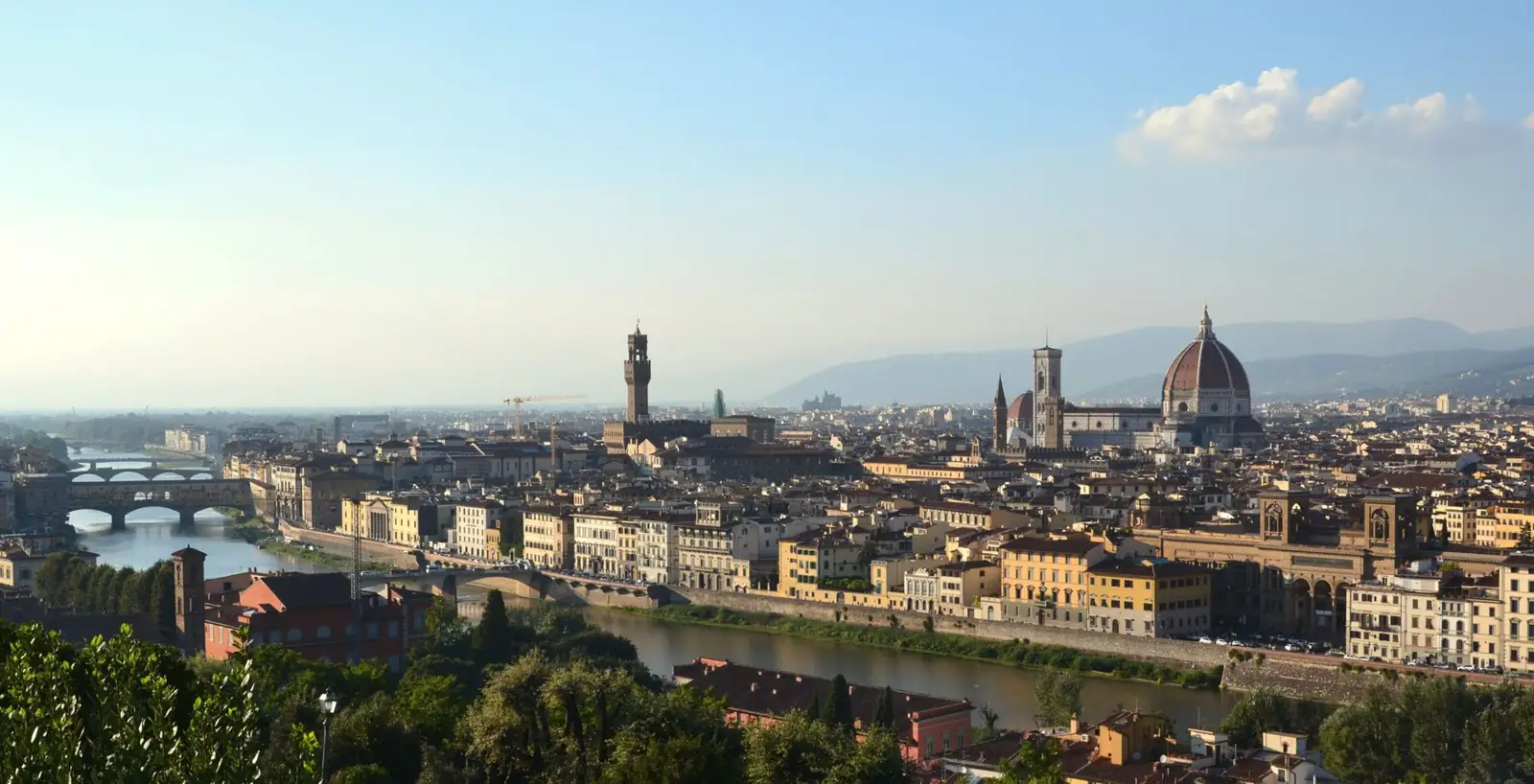
Florence
Hot summers and cool, sometimes damp winters call for breathable daytime clothes or warmer removable layers. Stone streets and museum queues reward comfortable footwear. Monthly values are calculated from NASA POWER MERRA-2 gridded daily data for 1991–2020 at the city coordinates. They represent a regional model cell, not a city weather station. Street shade, coastal exposure, elevation and urban warmth can differ. Climate averages do not predict an individual trip.
Open city guide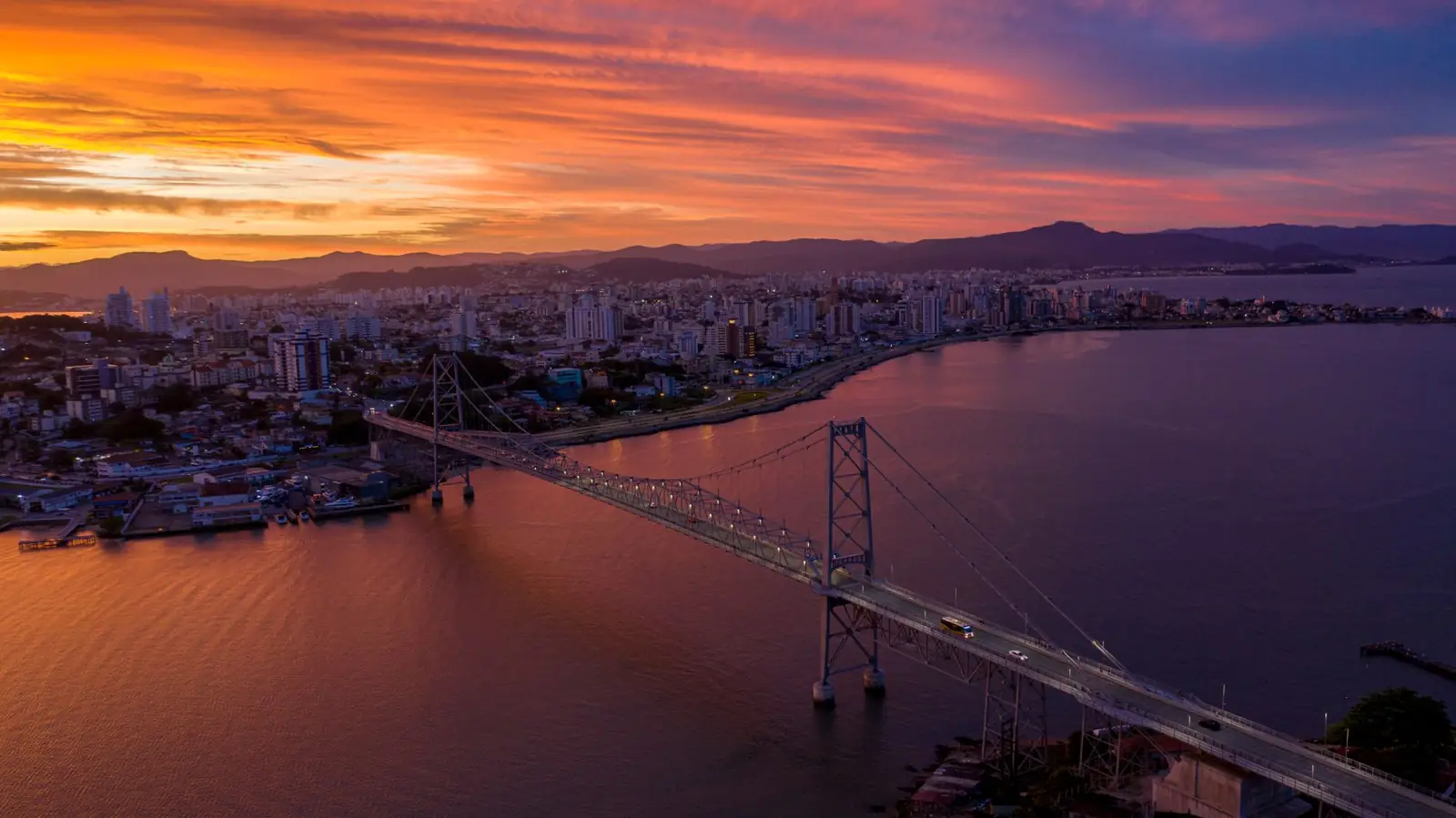
Florianópolis
Summer brings warm, humid days; winter can be cool and windy, especially beside the bay. Rain remains possible throughout the year, so use removable layers. Monthly values are calculated from NASA POWER MERRA-2 gridded daily data for 1991–2020 at the city coordinates. They represent a regional model cell, not a city weather station. Street shade, coastal exposure, elevation and urban warmth can differ. Climate averages do not predict an individual trip.
Open city guide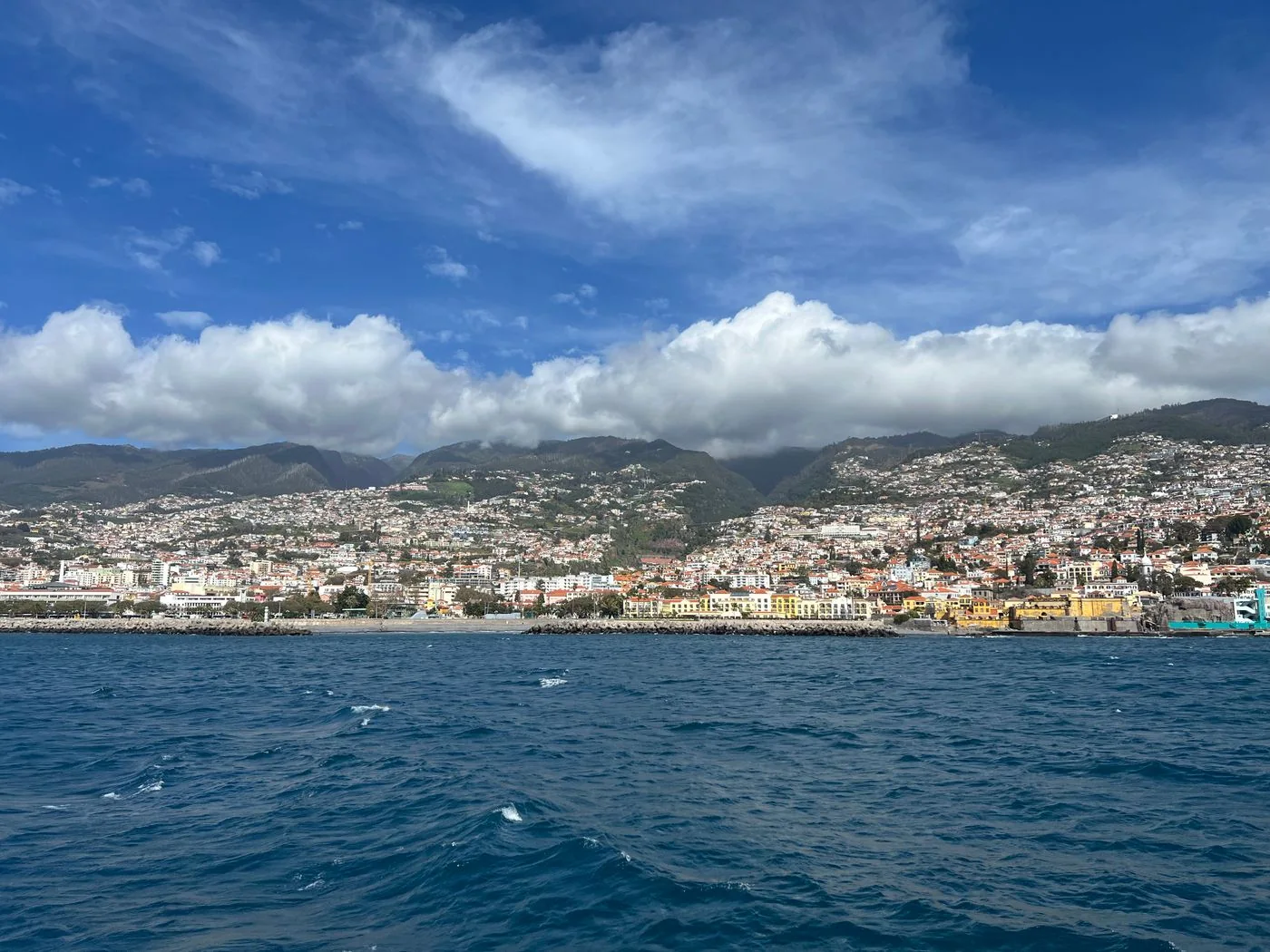
Funchal
Funchal’s low coastal areas stay relatively mild throughout the year, with warm summers and wetter autumn and winter periods. Monte and Madeira’s mountain routes can be cooler, cloudier and much wetter than the city.
Open city guide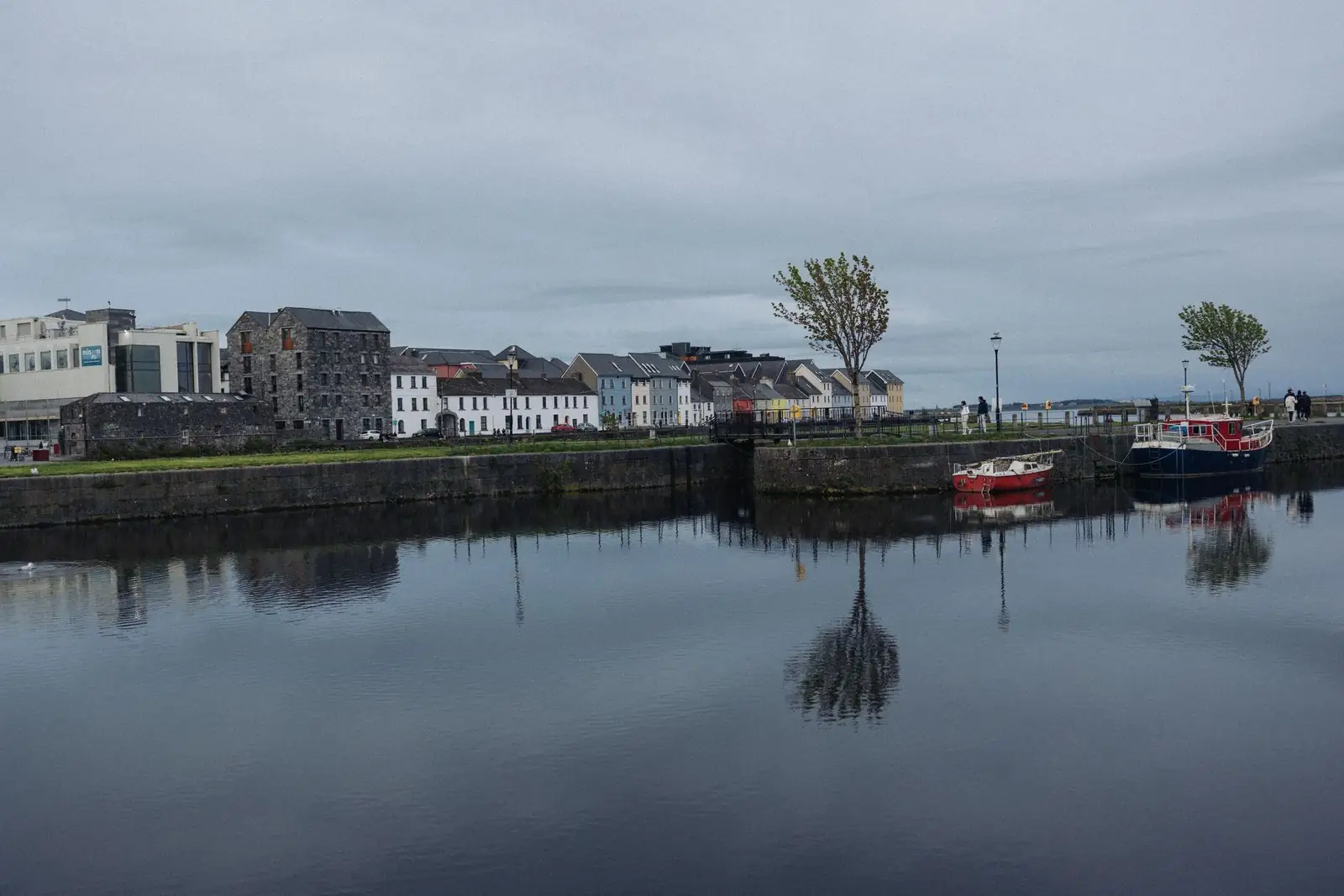
Galway
Galway has cool winters and generally mild summers. Rain can interrupt sightseeing in any month; use removable layers rather than relying on a dry season. Shannon Airport, well south of Galway, is a broad western lowland proxy rather than Galway city data. Galway’s Atlantic exposure and rainfall can differ substantially; use the local forecast, especially for Salthill. Do not treat these rainfall totals as Galway measurements.
Open city guide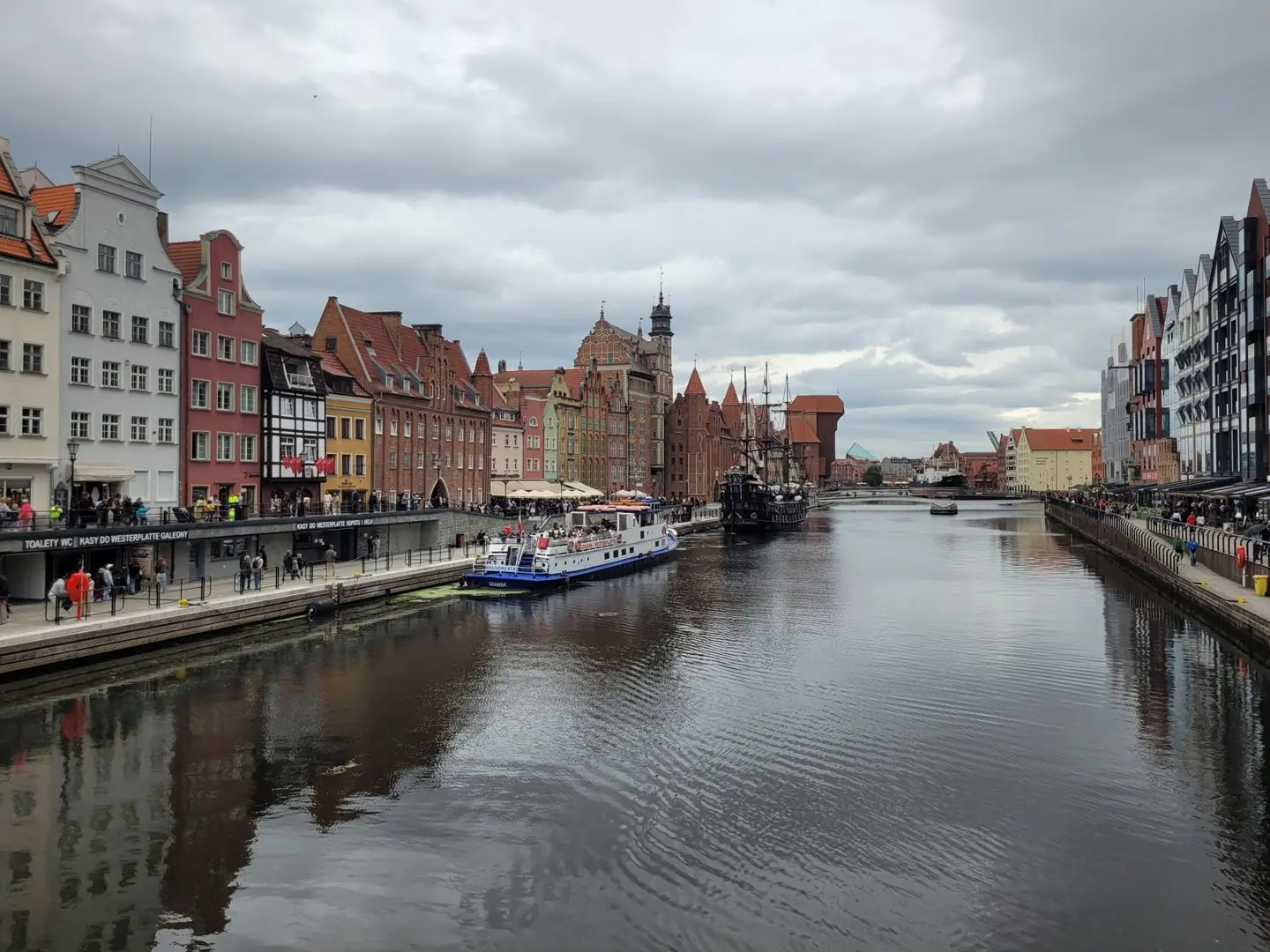
Gdańsk
City-area ERA5 reanalysis for 1991–2020 suggests cool winters, milder summer days and precipitation in every season. These are modelled grid averages, not station normals or a trip forecast. Bring removable layers for the waterfront, shoes with grip for cobbles and a rain shell for walks between interiors.
Open city guideThe little things worth knowing
A first weekend in Aalborg
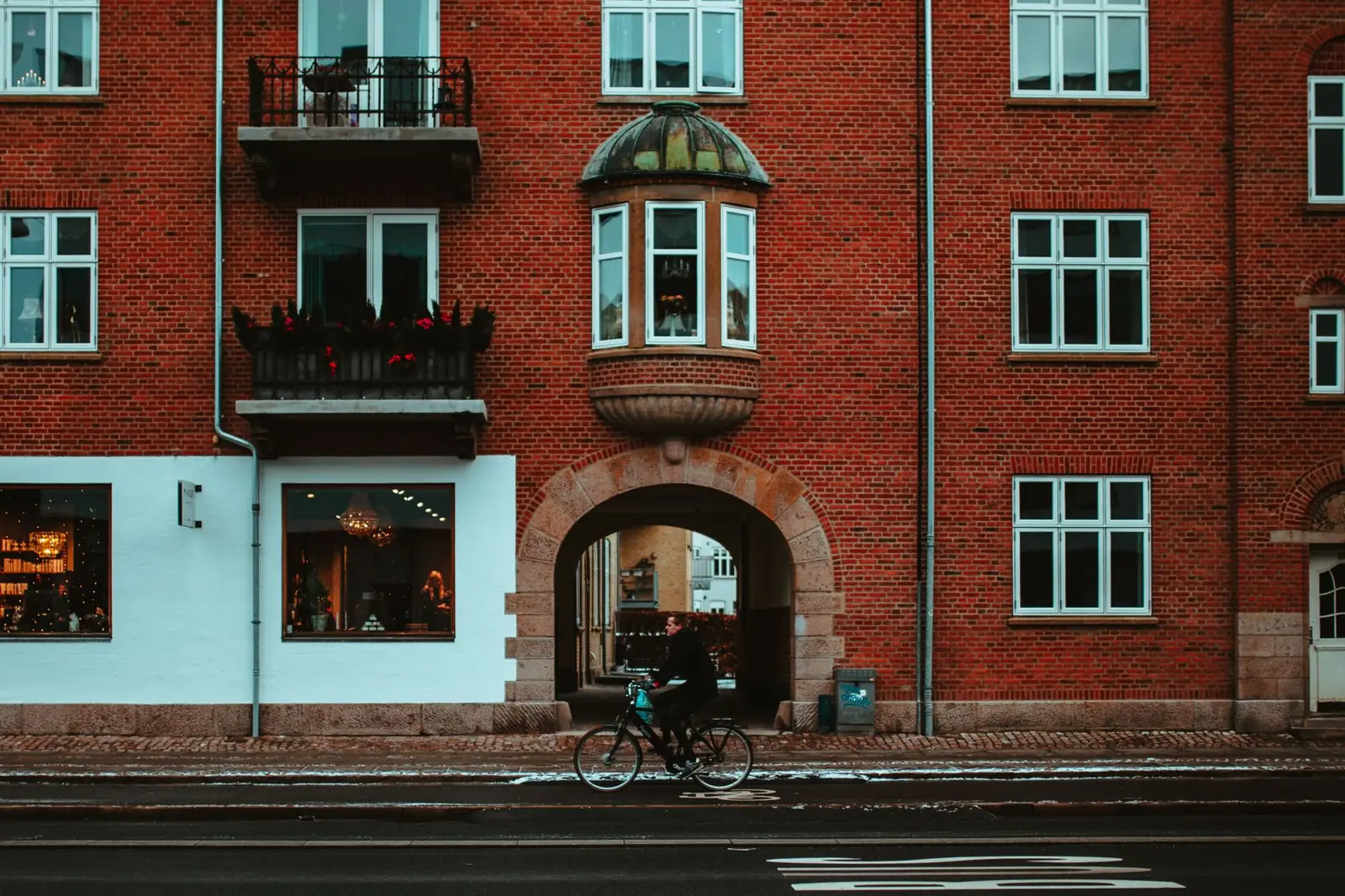
Give Aalborg one waterfront-and-city day, then choose art or archaeology for the second. That keeps the fjord crossing and museum openings from becoming last-minute surprises.
Aalborg: Kunsten, Kildeparken and a tower choice
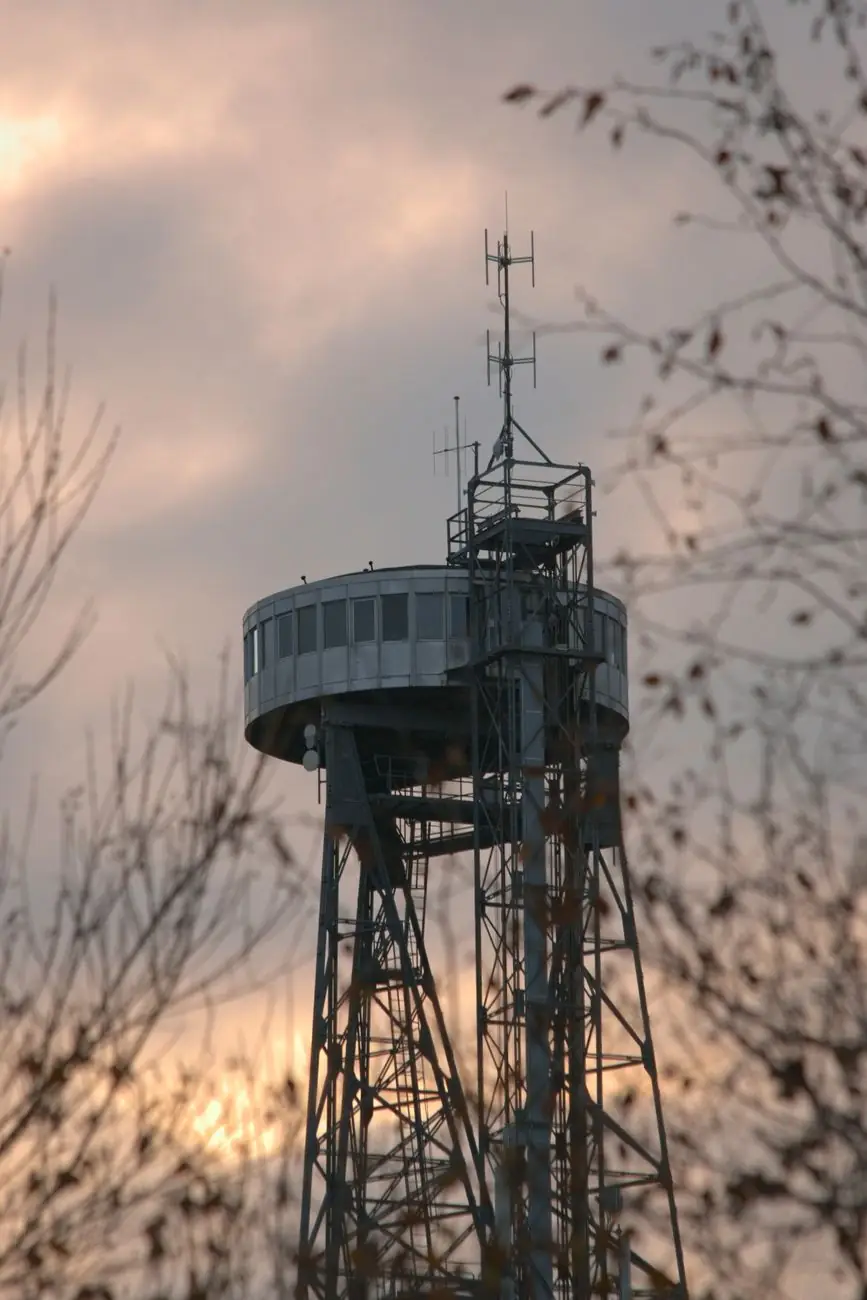
Choose Kunsten for art and Alvar Aalto’s architecture, with a park pause on the approach. Aalborg Tower is a separate seasonal viewpoint, so check it before making the climb the purpose of your day.
Aalborg: Lindholm Høje as a separate half-day
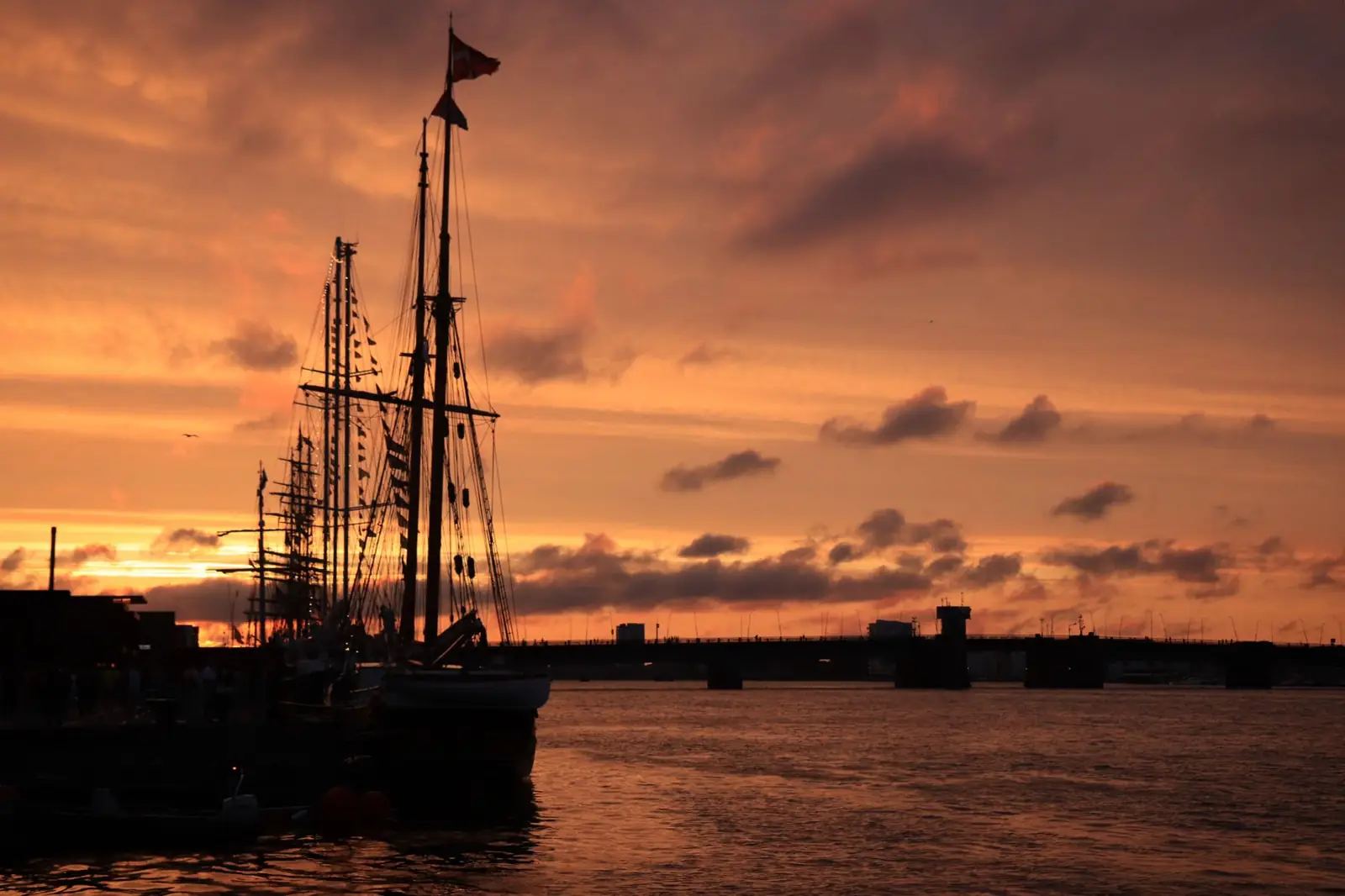
Lindholm Høje lies across the fjord from central Aalborg. Give its stone settings and museum a separate half-day, with the indoor opening calendar checked before you travel.
Aalborg: the older centre and a named pub stop
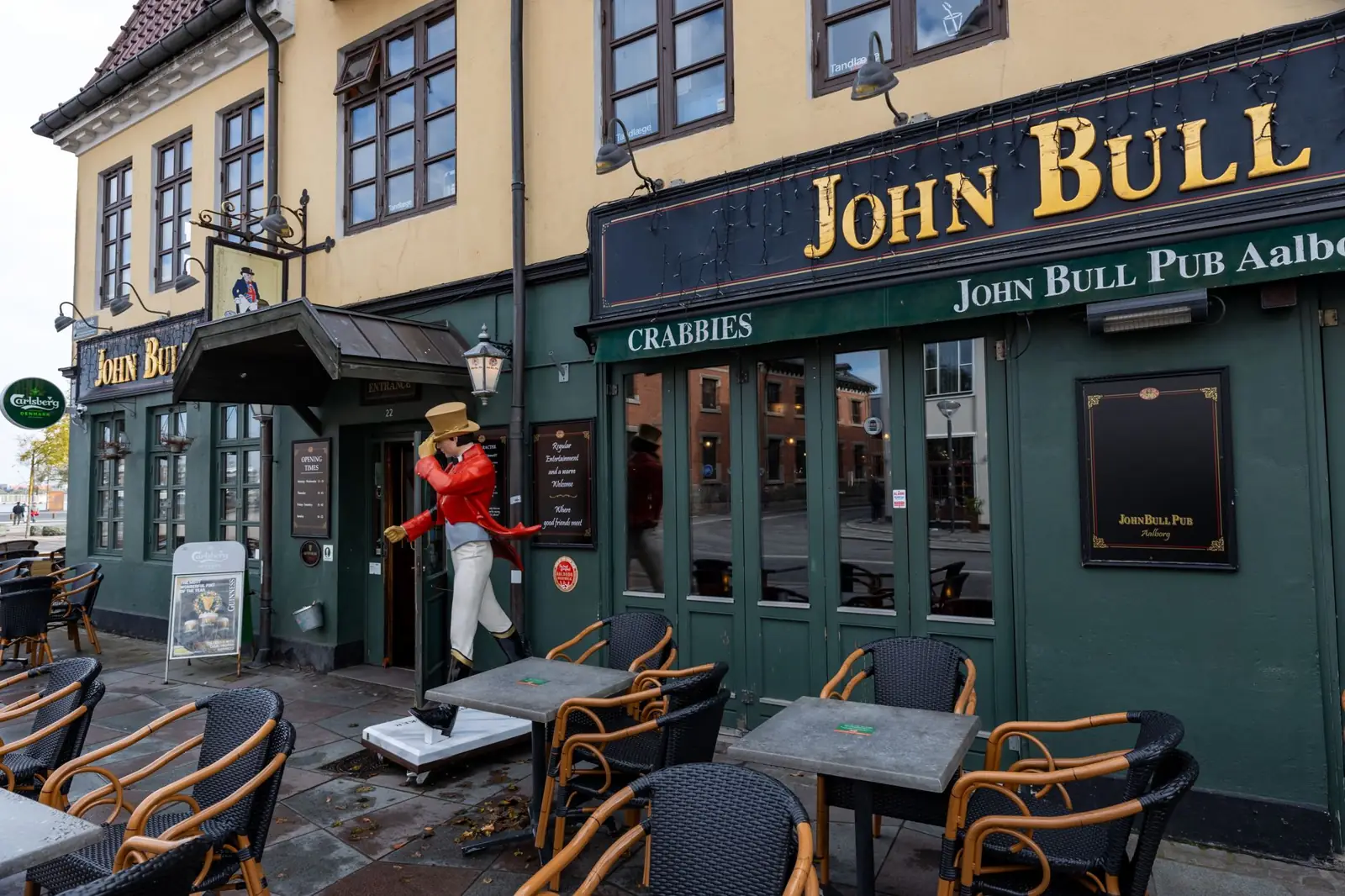
Use Aalborg’s old streets for a compact walk between the centre and fjord. A specific pub stop can make a useful finish, but the architecture and public streets remain the route’s main purpose.
Aalborg: Utzon Center and the Limfjord waterfront
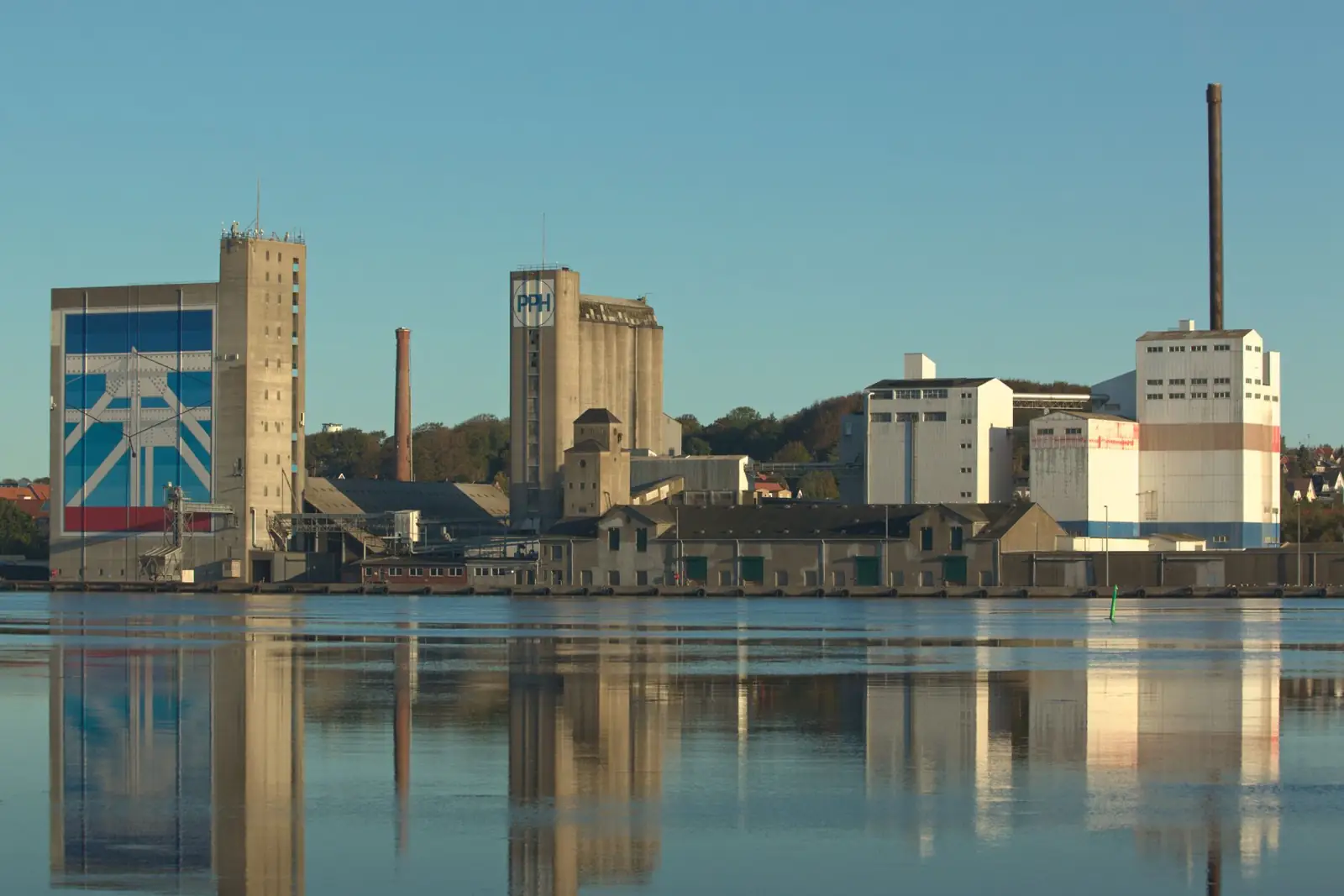
Aalborg’s waterfront lets you compare a working fjord city with newer cultural buildings. Use the Utzon Center as the main interior, then keep the outdoor route flexible in wind.